
 Full Ride
Aneesh R.
UC Berkeley
$84,000
Academic Scholarship
New: Free 15-min Profile + Admissions Audit this week. Limited slots.
Build a long-horizon strategy: narrative compounding from Grade 6, guided by McGraw Hill authors — ending with the Scholarship Harvest.
A clear plan across grades, projects, testing, shortlist strategy and scholarship mapping.
First Academy's achievements and student success stories have been featured in media outlets across India and around the world.
Elite admissions aren't won in Grade 12. They're built through seven years of narrative compounding — with milestones led by the same logic used to write McGraw Hill prep books.
Pillar 01
Start early (Grade 6) so every project compounds into a coherent story — not a panic résumé.
Pillar 02
Each milestone is guided by exam-creator logic. You're not learning "tips"; you're learning the architecture.
Pillar 03
The finish line isn't "admit". It's ROI — scholarships from the ₹40 Crore+ pool.
Identify natural aptitudes, interests, and "story gravity". Build the habits that make future achievements believable.
Build credible impact: projects, internships, community leadership — plus early SAT diagnostics for a stress-free plan.
Algorithmic SAT training + Tier-1 summer programs. Your profile becomes competitive and coherent — fast.
SOP & essays crafted with McGraw Hill authors. Shortlisting based on narrative fit — engineered to unlock scholarships.
Book a 15-minute diagnostic for your child.
Our milestones are built the way a publication is built: frameworks first, then practice, then execution. That's why our UG consulting feels less like "classes" and more like a strategy room.
A single coherent story across activities, academics, and essays.
Less guessing. More repeatable scoring systems.
Authored test-prep titles used by students and educators worldwide.

IELTS

SAT

GRE
Our Digital SAT track is tech-enabled and algorithmic. We teach logic frameworks, pacing systems, and error-pattern elimination — so the student doesn't live in panic-mode.
Built for school load, not against it.
Adaptive practice loops + clean analytics.
Repeatable decision trees under time pressure.
Minimise sunk time. Maximise points per minute.
One WhatsApp message — we'll share the recommended timeline based on grade + baseline.
Your shortlist is a strategy document: admissions likelihood, scholarship probability, and story alignment — across the US, UK, Canada, and Australia.
3 tiers: "Dream", "Target", "Safety" — but driven by story + funding.
Want a "Narrative Fit" shortlist for your profile?
Our "Author-Led" methodology doesn't just get you a score; it builds a narrative that universities value. We've helped students unlock over ₹40 Crore+ in funding (2024–2026).
Total Funding Secured
₹40,00,00,000+
Verified across US, UK, Canada & Australian universities.
Full RideUC Berkeley
$84,000
Academic Scholarship
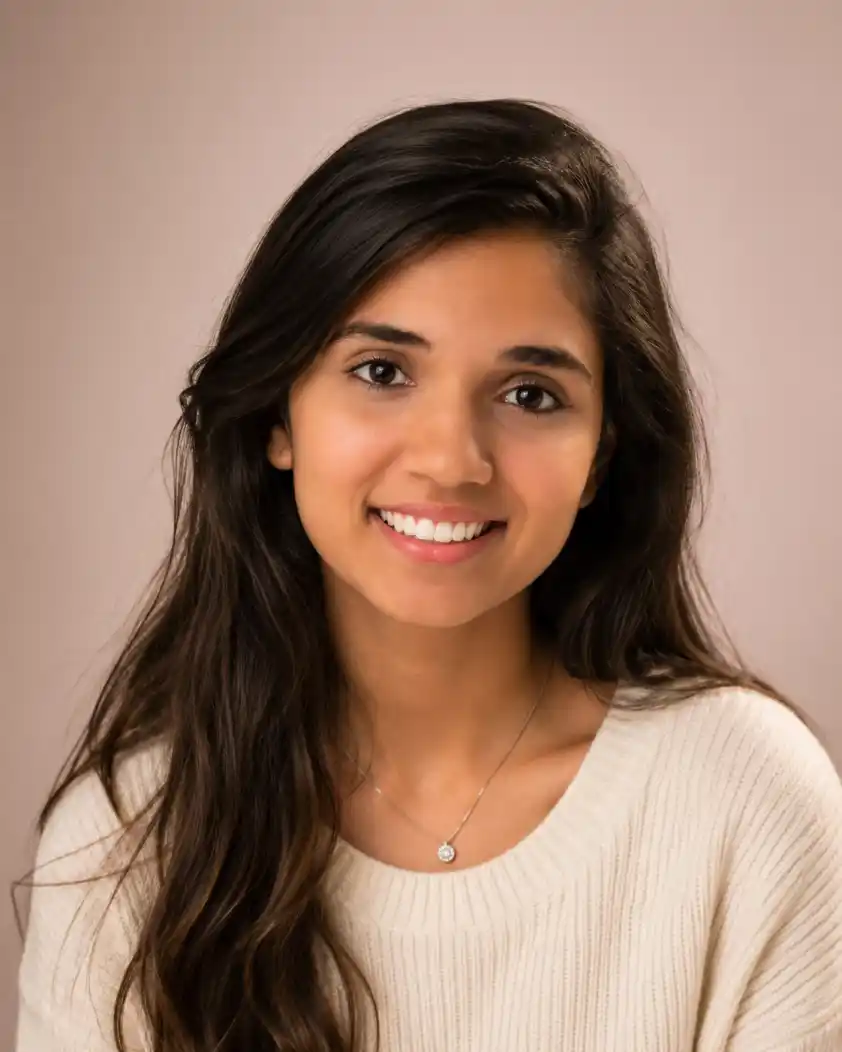 Merit
MeritUniversity of Toronto
$45,000
Entrance Scholarship
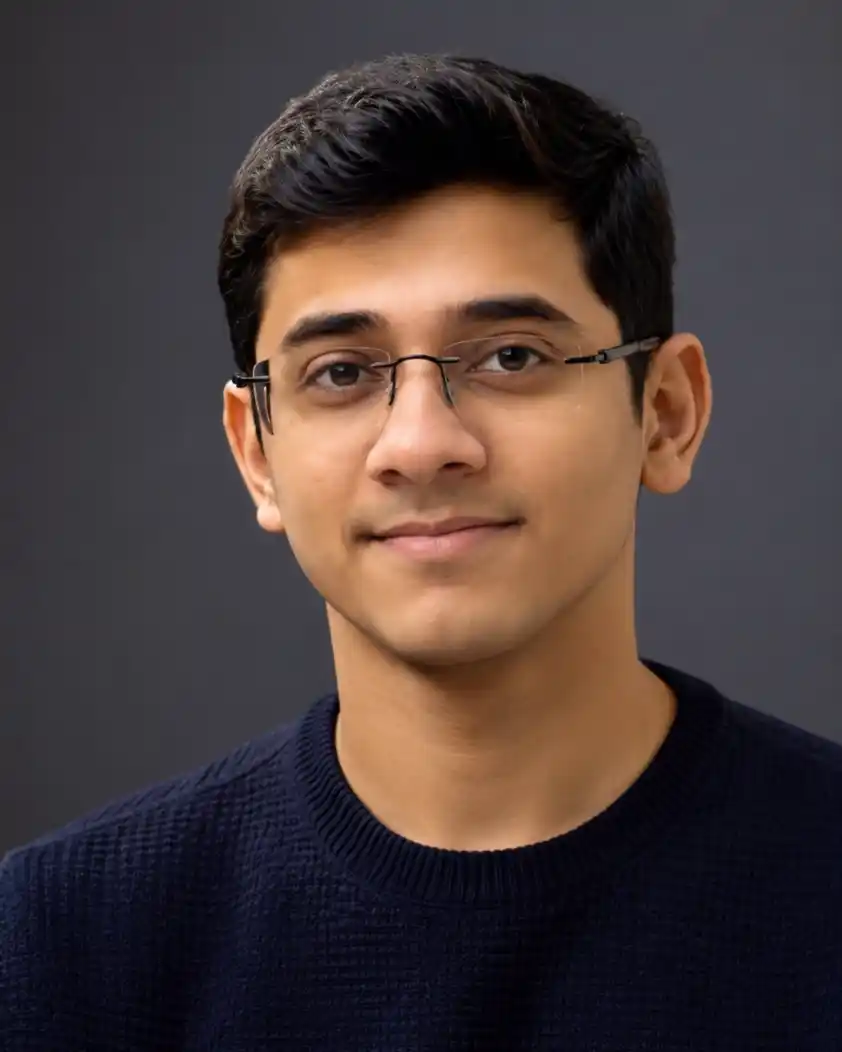 Award
AwardGeorgia Tech
$60,000
Research Fellowship
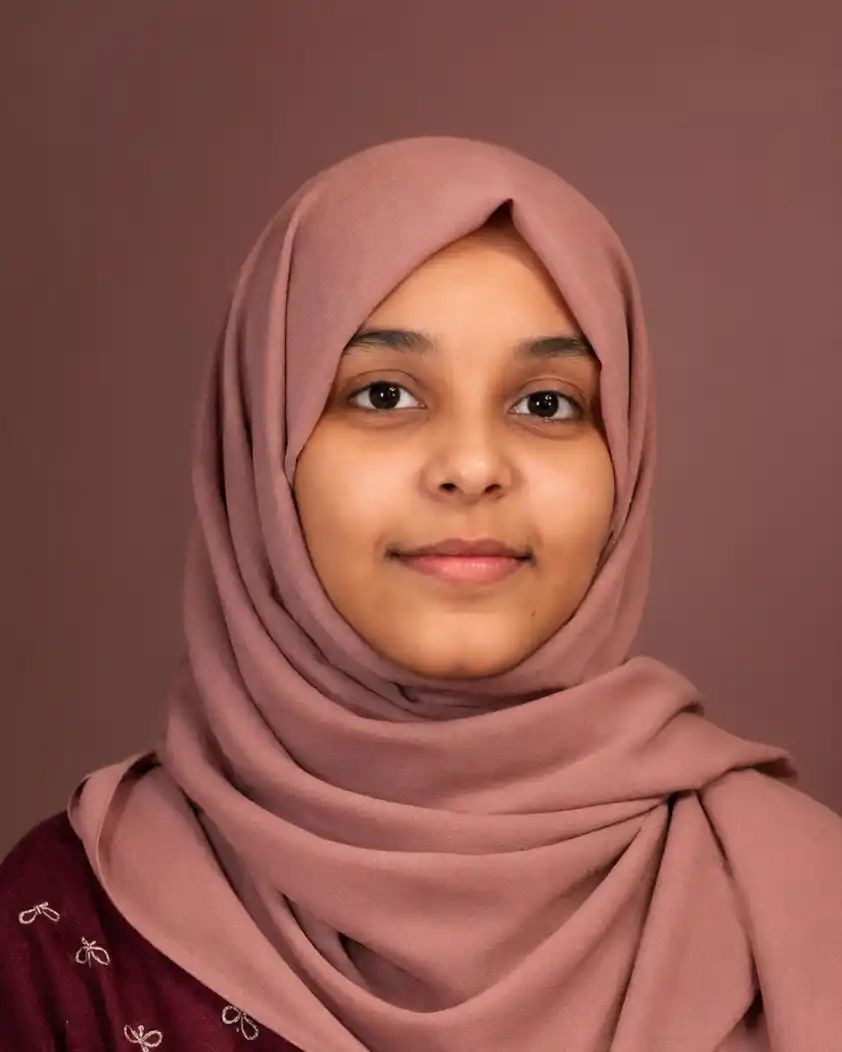 Package
NYU Stern
$120,000
Total Package
It's not just about test scores. It's about narrative compounding we start from Grade 6.
No pitch. Just the questions parents actually ask — at 11pm, after a school result, or when another consultant has quoted an impossible number.
Ideally from Grade 6, though starting in Grade 9 still gives you meaningful runway. The honest reason is this: top universities are not just reading your child's transcript — they're reading the trajectory of their life. Did the interest in science or writing show up organically over years, or was it bolted on in Grade 12 for the sake of the application? Experienced admissions readers can tell the difference immediately. Universities today evaluate patterns and progression, not last-minute achievements.
Starting in Grade 6 gives your child six years to build something coherent — to try things, change direction, and still arrive at Grade 12 with a story that makes sense. Starting in Grade 12 gives you six weeks to make it look that way. Those two outcomes are not the same, and no amount of essay coaching bridges that gap.
Not too late — but the strategy changes significantly, and we'll be direct with you about what that means. In Grade 10, there's still enough runway to build two strong years of profile work and to prepare properly for the Digital SAT. In Grade 11, we compress the timeline and focus sharply on what can realistically be built and documented before applications go in.
What we won't do is take your money to manufacture depth that should have started in Grade 8. That kind of consulting — where everything is dressed up to look older than it is — doesn't survive scrutiny from a careful admissions reader. We'll tell you honestly which universities are genuinely in range, which scholarships are actually winnable, and what the realistic best-case outcome looks like.
Test prep gives your child a score. We build the context that makes the score mean something. Here's the practical difference: two students both score 1480 on the Digital SAT. One has four years of consistent profile work — a documented interest, a real project, a leadership role that grew gradually and authentically. The other has the same score and a résumé that looks like every other applicant from a competitive school.
The first student has a genuine shot at a Top-30 university with a scholarship. The second is competing purely on numbers in the most number-saturated international applicant pool in the world. A score is the entry ticket. The profile is what actually wins the place.
It means the people guiding your child's preparation are the same people who wrote the books that standardised test prep is built on. McGraw Hill is one of the world's largest educational publishers — the SAT and reasoning frameworks in their books are used by students and educators globally.
The advantage is not just the credential. It's that the people who write test prep books understand how tests are constructed — not just what the right answers are, but why the exam is designed the way it is. When the Digital SAT adapts in real time to your child's performance, architectural understanding is what holds up. Pattern memorisation does not.
Yes — and we do it well. First Academy is based in Hyderabad but we work with families across India: Delhi, Mumbai, Bengaluru, Chennai, Pune, and smaller cities. The consulting process is fully structured for online delivery and we've been doing it long enough that it's not a compromise — it's just how we work with most families.
There's also an honest strategic point here. If your child is from a smaller city or a non-metro background, that's not a disadvantage in US admissions — it can be a genuine differentiator. Ivy League schools want geographic diversity within their Indian cohort.
More competitive than most consultants will tell you upfront — and you deserve to know this before you make a decision. India is the second-largest source of international Common App applicants, and Indian enrolment at US universities crossed 331,600 students in 2024 — a 23% rise in a single year. Ivy League schools typically cap international enrollment at 10–15% of each entering class.
That's not a reason to not try. It is a reason to be strategic rather than hopeful. The Indian students who break through have a story that makes an admissions officer feel something — a narrative that is coherent, human, and unmistakably theirs. That story is what we build, and it takes time to build it properly.
Most families think scholarships are what you apply for after you get in. They're not — they're what you engineer during the profile-building process. Merit scholarships at US universities are typically awarded automatically at the point of admission, based on the strength of the academic profile, narrative, and test scores at that moment.
The ₹40 Crore our students have secured is not luck — it's the result of shortlisting universities specifically for narrative fit and funding probability, not prestige rankings alone. A full-ride at a strong Top-50 university is often a more rational outcome for a family than a scholarship-free admit at a Top-10.
The Digital SAT launched in March 2024. It's shorter than the old paper test — 2 hours 14 minutes, 98 questions — and it's adaptive: the second module adjusts in difficulty based on how you performed in the first. The scoring scale stays the same (400–1600). For competitive US university admissions from India, you're typically targeting 1450 or above.
Most coaching centres teach the Digital SAT like it's the old paper test — the same drills, the same pattern memorisation. The problem is that the adaptive format rewards cognitive flexibility, not pattern recognition. Our approach, grounded in how the test's own authors think about assessment, builds the underlying reasoning skills that the adaptive module actually tests.
Still have a question we haven't answered?
Send it to us on WhatsApp. We'll respond with a straight answer — no sales call required.
One roadmap. One narrative. One family decision you won't regret.
WhatsApp-first. No long forms.
Ivy League schools don't just want another metro applicant. A strong student from any town in India with a real story stands out more than a packaged applicant from a big-city school.
US universities actively seek geographic diversity within their Indian cohort. Non-metro backgrounds are a strategic differentiator, not a disadvantage.
A student with a genuine, documented interest outperforms an applicant with a manufactured résumé — every time. Authenticity is the differentiator.
Our entire 7-year roadmap is structured for online delivery. Students from towns all over India work with us exactly as Hyderabad students do — no compromise.
No hidden fees. No inflated promises. Milestone-based payments structured around your child's progress — so our goals stay aligned with yours at every stage.
Start Here
Free
No commitment. No pitch.
Full Journey
Milestone
Milestone-based payments
Grade 11–12
Sprint
Compressed timeline for late starters
वो सवाल जो हर माँ-बाप रात को पूछते हैं — बिना कुछ बेचे, सीधे दिल की बात।
छठी कक्षा से शुरू करें तो बहुत अच्छा रहता है — बच्चे के पास सालों में असली रुचि और काम बनाने का वक़्त होता है। दसवीं में भी देर नहीं हुई, बस तरीका थोड़ा बदल जाता है। हम आपको साफ़ बता देंगे कि आपके बच्चे के लिए क्या मुमकिन है।
बिल्कुल। विदेश की बेहतरीन यूनिवर्सिटियाँ भारत के तमाम शहरों के बच्चों को तरजीह देती हैं। बड़े शहर का नाम ज़रूरी नहीं — ज़रूरी है आपके बच्चे की असली कहानी। और वो कहानी हम साथ मिलकर बनाते हैं।
पहली बातचीत बिल्कुल मुफ़्त है। आगे की फ़ीस बच्चे की तरक़्क़ी के हिसाब से अलग-अलग चरणों में होती है — एक साथ पूरी रक़म नहीं। हर क़दम पर हम साथ होते हैं।
डिजिटल SAT एक अनुकूलित ऑनलाइन परीक्षा है जो 2024 में शुरू हुई — यानी आपके जवाब के हिसाब से अगले सवाल बदलते हैं। विदेश में अच्छी यूनिवर्सिटी में दाख़िले के लिए इसमें अच्छे नंबर लाने ज़रूरी हैं। हम बच्चों को रटाते नहीं — सोचने और समझने का तरीका सिखाते हैं।
हाँ — देश के किसी भी कोने से। सब कुछ ऑनलाइन होता है, और बिल्कुल उतना ही अच्छा। हमने देश भर के अलग-अलग शहरों के बच्चों को 40 करोड़ से ज़्यादा स्कॉलरशिप दिलवाई हैं।
పిల్లల భవిష్యత్తు గురించి అన్ని సందేహాలకు నేరుగా జవాబులు — నచ్చజెప్పే మాటలు లేవు, నిజమైన జవాబులు మాత్రమే.
ఆరవ తరగతి నుండి మొదలుపెడితే చాలా మంచిది — పిల్లలకు నిజమైన ఆసక్తులు నెమ్మదిగా పెరిగే అవకాశం ఉంటుంది. పదవ తరగతిలో కూడా ఆలస్యం కాదు, కానీ పద్ధతి కొంచెం మారుతుంది. మీ పిల్లలకు నిజంగా ఏం చేయగలమో మేము నేరుగా చెప్తాం.
తప్పకుండా. విదేశీ యూనివర్సిటీలు భారతదేశంలోని ఎన్నో ప్రాంతాల నుండి విద్యార్థులను ప్రత్యేకంగా చూస్తాయి. పట్టణం పెద్దదైనా చిన్నదైనా — పిల్లల అసలైన కథ ఉంటే అదే వారి బలం. మేము దేశవ్యాప్తంగా విద్యార్థులకు 40 కోట్లకు పైగా స్కాలర్షిప్లు సాధించాం.
మొదటి సంభాషణ పూర్తిగా ఉచితం. తర్వాత ఫీజు పిల్లల పురోగతిని బట్టి దశలవారీగా ఉంటుంది — ఒకేసారి అంతా చెల్లించాల్సిన అవసరం లేదు. ప్రతి దశలోనూ మేము మీతో కలిసి ఉంటాం.
డిజిటల్ SAT అనేది 2024 లో వచ్చిన అనువర్తిత ఆన్లైన్ పరీక్ష — అంటే మీ జవాబులను బట్టి తర్వాతి ప్రశ్నలు మారతాయి. విదేశాల్లో మంచి యూనివర్సిటీలో చేరడానికి ఈ పరీక్షలో మంచి మార్కులు అవసరం. మేము విద్యార్థులకు కంఠస్థం చేయించం — అర్థం చేసుకుని జవాబు చెప్పే తీరు నేర్పిస్తాం.
అవును — దేశంలో ఎక్కడ నుండైనా. అన్నీ ఆన్లైన్లో జరుగుతాయి, అదే నాణ్యతగా. హైదరాబాద్ విద్యార్థులకు ఎలా చేస్తామో దేశంలోని ఎన్నో ప్రాంతాల నుండి వచ్చిన విద్యార్థులకూ అలానే చేస్తాం.
Not just a consulting brand — backed by publishing credentials, press coverage, and verifiable outcomes that any admissions reader can look up.
Our team authored test-prep books used globally. We understand how standardised exams are constructed, not just what answers they expect.
Coverage in ANI, Business Standard, The Print, London Channel News, Dubai City Reporter, New York Despatch — and 71 more verifiable publications.
Scholarships secured across UC Berkeley, University of Toronto, Georgia Tech, NYU Stern — and growing. All verified, named, and on record.